
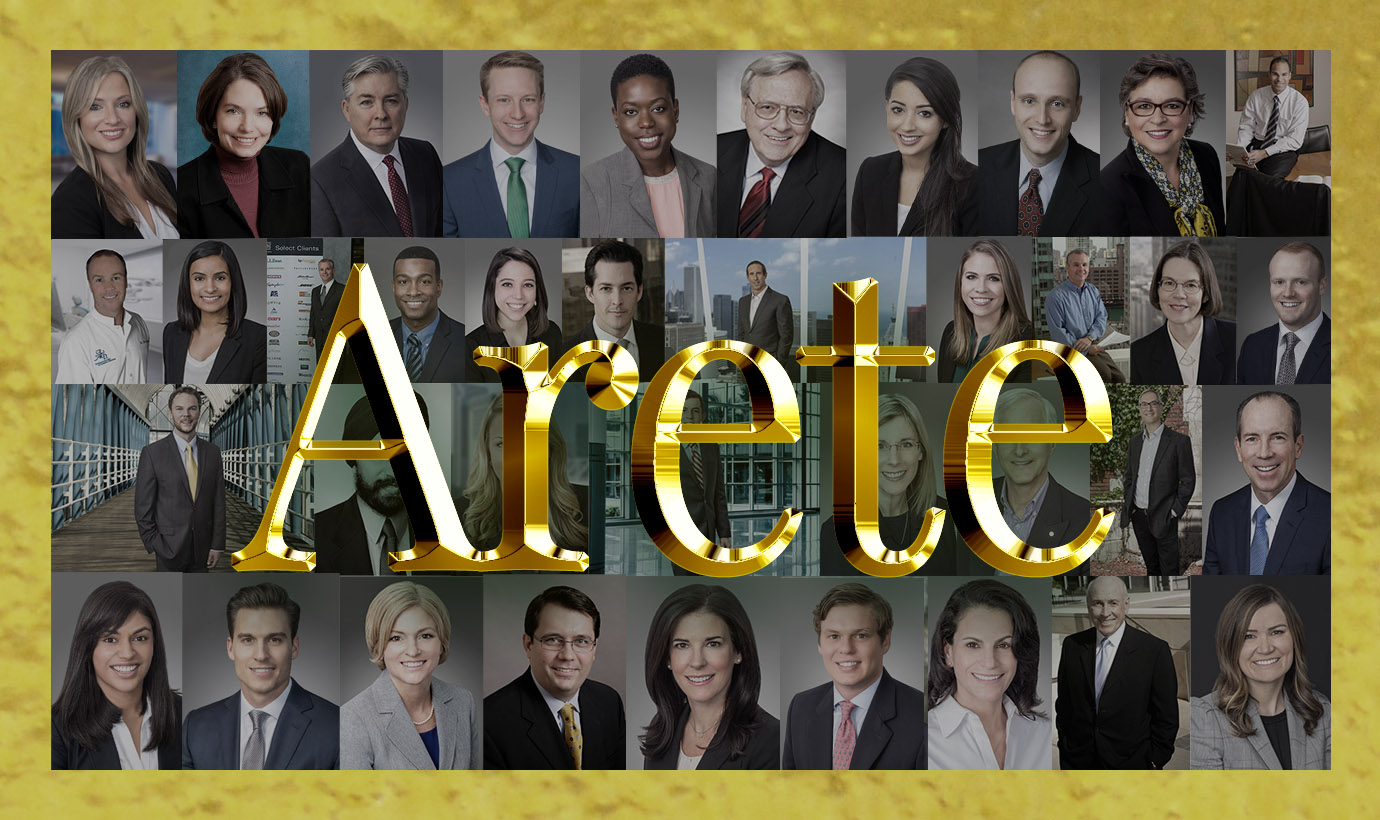
Photos and Collage by Author
Small Mistakes in Business Headshots
Can Destroy Your Brand
When I was a total beginner in business headshot photography, I discovered two crazy things.
One was that even the best companies were not always able to get good headshots for their people. And the other was most photographers doing this work didn’t take it very seriously.
From the beginning of my photo career in 1987, I had done headshots and portraits for corporations and professional firms. But mostly I was doing fashion and beauty. Then, after several years, I was called in to meet with someone from Latham & Watkins to talk about shooting their people.
Latham is the second largest law firm in the world, and I ended up shooting for their offices in Chicago, NYC, and DC. I shot many thousands of lawyers for them and other special projects over the years, like mock trials and recruitment promos.
Everyone at the firm was great to work with, lawyers and administrators. It was always a pleasant experience. They appreciated the quality I was delivering.
They were the ones who actually eased me into the work of shooting business and professional headshots and portraits. In those days before the internet, we were shooting for print. And the images they wanted were in black-and-white. The sample portfolio I brought with me was young models in jeans, t-shirts, swimsuits, and dresses. Not a single person in a suit. I didn’t even know enough to be embarrassed by that.
I asked to see what they were using. They showed me the firm directory, which everyone at the time called ‘the facebook,’ years before Facebook. I looked through the small book at the black-and-white images.
First I wanted to see what I thought would be the worst, so I looked at lawyers in their Moscow office. Russia had only recently joined the Free World. It was surprising to me that those shots were really very good.
Then I looked at shots from the much larger New York City office. Those I figured would be the best. I then considered NYC to be the photo capital of the world, and I still do.
Another surprise. They were all terrible. A lot of top lighting that caused ‘raccoon eyes’ and white noses, very grainy texture, no contrast (no blacks, no whites, just medium grays), no decent composition, little regard for expressions, posing, or wardrobe styling. Hardly the upscale look that firm deserved.
It was all rather shocking that such a great legal giant would have to endure such crummy work. Later, when I was shooting for that office, one of the administrators told me she was the one doing the ‘photography’ with her camera.
Digital Tools Bring New Opportunities and New Risks
Then digital photography arrived. Now I could do the retouching that would make my images look upscale, like our shots looked when I ran an advertising and public relations agency.
Conventional retouching could cost a fortune. Until digital came in, only one of my headshot clients, a lawyer, ever asked for retouching for her headshot. It took more than a week and cost over $1,000 in the late ’80s.
Fortunately she was very pleased. But what if she didn’t like it? What if she wanted revisions? I have no idea what that would have cost her or how much longer she would have to wait.
Then with the coming of digital photography everything changed. I learned to fix what needed to be fixed by myself. I was an eager student of Photoshop. Took courses, read everything, did experiments. It was slow at first, but gradually I could do almost anything. I gave everyone free retouching for one image and charged $25 for each extra.
Same-day service in many cases. And there was no charge for revisions! A partner of one DC law firm asked for 25 sets of revisions for her headshot, including changes to hair and make-up, wardrobe changes, etc.
When we were done, she was ecstatic. And I felt rewarded for the effort I spent in learning those skills. That kind of retouching done in the old conventional way would have cost many thousands and wouldn’t have been nearly as good.
Soon I was shooting thousands of business headshots, from small local companies to top international corporations. Many had to be brought up to the standards of brand-building images that were expected in top advertising work at that time. I had assistants to help with all the retouching, but I would have to personally approve every image before we sent it out.
During the decades that followed, I saw an across-the-board movement toward greater quality. As the internet normalized image making, companies were eager to get good work for their people.
Then There Was an Unfortunate Backlash in Headshot Quality
Sadly the pendulum has been swinging back for some time now. In the interest of “authenticity,” standards have been compromised widely. The authenticity is good; slovenly work is not.
A few years ago, I reluctantly resigned a large national law firm, because someone in the home office wanted changes I couldn’t do in good conscience. I liked the people I was working with in the Chicago office, and they really appreciated my work. They treated me like a king. I refused to make their images look downscale and downright unattractive. You can adopt a “warts and all” approach without hanging red flags on them.
This movement might have started with the Kim Kardashians out there and their unrealistic ‘Photoshop fails.’ Now everyone was afraid that something that looked too good would look fake. As if good image making had anything to do with tasteless, amateurish slop.
As some people became more worried that the images would come out “too good,” I emphasized that my retouching was totally custom. If you thought I made your skin look too good, I could restore some or all of your blemishes. You would get exactly what you wanted, not more and not less.
This fear of excellence has been going on in business headshot photography for at least 10 years. Many of the requested revisions are not requests for additional improvements, like they used to be, but reversions to an earlier state. I realize that some of this is just the fashion of the times. When the pendulum swings forward again, I’ll adapt.
Now this fear of looking fake is starting in writing. Thanks, AI! Everyone is so afraid their writing will look like AI that they are banning certain words, phrases, and grammatical constructions. Some of which I’ve been using for many years. Even the poor em dash is now verboten.
Writers are intentionally leaving typos in headlines and frequently missing spacing between words. The thinking is that AI would never make those mistakes, so the imperfections will look authentic.
I’m also seeing intentional sloppiness in photography and wardrobe. Can’t we find ways to look authentic and still look good? I think we can do that by properly managing the details.
My fashion photography background taught me to strive for visual excellence, attention to detail, and tasteful imaging. It doesn’t have to look stiff or contrived. All of this is hard for AI models and inexperienced shooters.
We have to cultivate a new generation of photographers who have to overcome hurdles we never faced in the pre-digital/pre-AI age. That will happen when clients recognize there is nothing wrong with new methods, but there is no substitute for good visual taste, adherence to company branding, and sound craftsmanship.